manga series have become a cornerstone of modern popular culture, transcending geographical boundaries and age groups to establish a global fanbase. These Japanese comic books and graphic novels are not just mere entertainment; they represent an intricate tapestry of artistry, storytelling, and cultural reflection. The enduring appeal of manga series lies in their ability to evolve with their audience, experiment with various genres, and craft stories that resonate deeply on personal and collective levels. As a dynamic art form, manga continues to influence art, fashion, and entertainment industries worldwide, solidifying its status as a cultural phenomenon. This comprehensive exploration delves into the multifaceted world of manga series, revealing why they remain so compelling and influential decades after their inception.
In this article, we will examine the diverse genres beyond the traditional shonen and shojo, explore storytelling techniques that elevate manga, analyze character development, and assess the impact of manga adaptations into anime. We will also explore how Japanese culture shapes manga narratives, uncover behind-the-scenes creative processes, and look at its global spread. Finally, we'll touch on awards, industry trends, and future innovations that promise to keep manga vibrant and relevant for generations to come.
The Enduring Appeal of Manga Series: A Cultural Phenomenon
The phenomenon of manga series surpasses mere entertainment; it is a reflection of societal values, emotions, and the human condition woven into visual narratives. From children to adults, manga appeals to a broad demographic, owing immensely to its versatility and depth. One of the core reasons behind its enduring appeal is its ability to evolve culturally, reflecting societal changes and controversies through allegory or satire, often prompting readers to think critically about contemporary issues. Whether it's tales of friendship and perseverance or complex explorations of identity and morality, manga resonates with universal themes expressed through uniquely Japanese storytelling sensibilities.
Moreover, manga has cultivated a dedicated global community that exchanges ideas, interpretations, and fan art, creating a shared cultural space. This community not only sustains interest but also fuels innovation within the industry. As manga series became more accessible through digital platforms, their reach widened exponentially, drawing in international readers eager to explore Japanese storytelling traditions. The cultural significance of manga is also reinforced by its festivals, conventions, and scholarly analyses, all contributing to its recognition as a powerful cultural export. Ultimately, manga's lasting appeal is rooted in its ability to act as a mirror to society while continuously pushing creative boundaries.
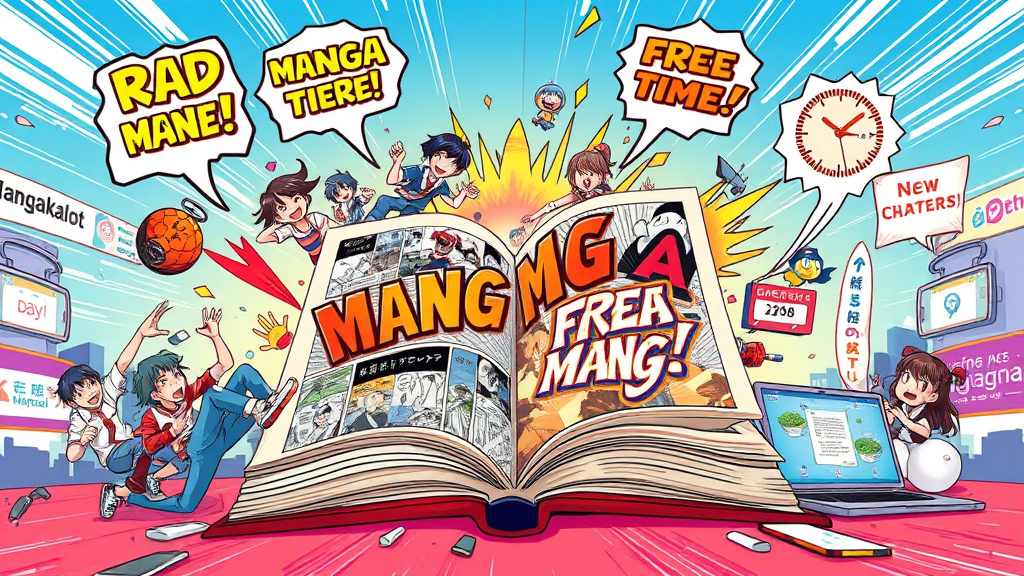 Hình minh họa: 1 piece manga – manga series
Exploring Diverse Genres in Manga - Beyond Shonen and Shojo
While shonen and shojo manga are perhaps the most widely recognized categories, the manga universe is incredibly diverse, offering genres that cater to virtually every taste and interest. Action and adventure often dominate the mainstream, yet genres such as seinen,jojo, and yaoi expand the narrative scope to include complex psychological themes, detailed art styles, and mature storytelling. For example, seinen manga such as Berserk or Vagabond explore darker, more philosophical themes suited for adult audiences, pushing the boundaries of graphic storytelling. Similarly, the horror genre has carved out its niche with titles like The Promised Neverland, which blend suspense with horror elements, engaging readers through psychological depth rather than just scares.
Furthermore, manga also excels at representing niche interests and subcultures, including sports, culinary arts, history, science, and even LGBTQ+ themes. Niche genres allow creators to explore intricate worlds and specialized storytelling techniques, fostering richer cultural dialogue. This diversity ensures that manga remains a versatile and accessible medium for anyone seeking stories outside mainstream conventions. It demonstrates how the medium can adapt to multiple audiences, making manga a truly global literary form capable of transcending stereotypes associated with its most popular genres.

The Art of Storytelling - Narrative Techniques in Popular Manga Series
Manga's storytelling mastery lies in its ability to combine visual dynamism with compelling narrative techniques. One standout feature is the meticulous paneling and pacing, which guide readers through emotional highs and lows seamlessly. Creators often employ innovative layouts, such as overlapping panels, silent pages, or dramatic close-ups, that enhance the mood and emphasize key moments. This visual storytelling complements dialogue and narration to develop an immersive experience where readers are emotionally manipulated and engaged without spoken words.
Moreover, the narrative depth of manga comes from its layered character development and plot complexity. Many successful series use flashbacks, multiple perspectives, and foreshadowing to build suspense and deepen context. For instance, complex mysteries like those in Death Note or Monster hinge on how plot intricacies are revealed gradually, encouraging active engagement. Manga writers often experiment with unconventional narrative structures, blending genres and styles, such as surrealism in Tokyo Ghoul or magical realism in One Hundred Years of Solitude, creating works that challenge traditional storytelling paradigms and inspire other visual storytellers.
Character Development in Manga - From Archetypes to Complex Personalities
One defining attribute of great manga series is their capacity to evolve characters from simple archetypes into multi-dimensional personalities. Early manga often relied on familiar tropes—hero, villain, mentor—but over time, creators have pushed beyond these conventions to depict characters with nuanced motivations, traumas, and growth arcs. In series like Attack on Titan, characters face moral dilemmas that challenge their initial stereotypes, making their development feel authentic and relatable. This evolution allows readers to invest emotionally, seeing parts of themselves or their struggles in these characters.
The progression of characters in manga reflects broader societal conversations about identity, morality, and change. A prime example is Naruto, where the protagonist’s journey from a rebellious orphan to a wise leader exemplifies personal growth amid the pressures of expectations and responsibility. Such depth underscores manga's potential to explore human complexities within its artistic framework. It also encourages reflection on empathy and understanding, qualities essential in an increasingly interconnected world. These rich character developments contribute significantly to the immersive power of manga series, making them memorable and influential.
Manga Series and Their Impact on Anime Adaptations - A Comparative Analysis
Many manga series serve as the foundation for world-renowned anime adaptations, a relationship that often amplifies the popularity of both mediums. When done well, anime adaptations breathe life into manga characters through voice acting, music, and animation, enriching the original storytelling while reaching a broader audience. Conversely, some adaptations diverge from the source material, leading to debates about fidelity and artistic interpretation, which sometimes sparks controversy among fans. The success of adaptations like Fullmetal Alchemist or Demon Slayer demonstrates how faithful or creatively adapted anime can elevate manga series to new heights of cultural dominance.
However, the transition from manga to anime often presents challenges related to pacing, visual translation, and thematic depth. Manga offers a slow, contemplative experience that may lose its nuance in animation's fast-paced medium or when compressed into episodes. Yet, this process has also enabled innovations like CGI, new soundscapes, and director’s creative visions that add layers of meaning. Ultimately, the symbiotic relationship between manga and anime significantly influences the global perception of Japanese pop culture, with each format enhancing the other’s reach and legacy. Looking ahead, the ongoing technological evolution promises even more immersive adaptations, making their comparative analysis a fascinating area of study.
The Influence of Japanese Culture on Manga Storylines and Themes
Japanese cultural elements are intricately woven into manga series, shaping themes, character archetypes, and narrative motifs. Concepts such as giri (duty), wa (harmony), and honne and tatemae (true feelings versus social façade) frequently surface in storylines, providing cultural context that resonates deeply with Japanese audiences while intriguing international readers. Many manga explore traditional beliefs, rituals, and folklore, like yokai or spirits, blending them seamlessly with modern settings. This cultural infusion helps preserve and propagate Japanese heritage through a universally appealing visual language.
Furthermore, contemporary social issues such as mental health, gender roles, and technology are often examined within manga, reflecting ongoing societal dialogues. For example, the genre of cyberpunk in manga like Akira illustrates fears and hopes surrounding technological advances, while shojo manga might challenge traditional gender expectations. These themes demonstrate how manga functions as both a mirror and catalyst of cultural dialogue, making it an insightful lens into Japanese society’s evolving psyche. By understanding the cultural underpinnings of manga, international readers gain a richer appreciation for its storytelling depth and authenticity.
Behind the Scenes - The Creative Process of a Successful Manga Series
Creating a manga series is an intricate process involving intense collaboration, discipline, and artistic experimentation. It begins with a concept or theme, often influenced by personal experiences, societal observations, or genre conventions. The manga artist, or mangaka, sketches character designs, storyboards, and page layouts by hand or digitally, balancing artistic style with narrative clarity. Often working under tight deadlines, they must craft engaging visuals that captivate the reader while maintaining story coherence.
The collaborative environment extends beyond the mangaka; editors, inkers, colorists, and publishers contribute to refining the work. Many successful manga authors rely on a rigorous schedule to produce chapters weekly or monthly, highlighting discipline akin to athletes or creators of other serial arts. The process also involves audience feedback, allowing creators to adapt and innovate their storytelling to meet fan expectations or explore new directions. Understanding this behind-the-scenes creative dynamism offers insight into how manga series maintain high quality and longevity in a fiercely competitive industry.
The Global Reach of Manga - Examining Its International Fanbase
Manga’s international success is a testament to its universal appeal, yet this growth is rooted in cultural exchange, technological accessibility, and adaptation. Digital platforms like Manga Plus or Crunchyroll have eliminated geographical barriers, enabling fans from every corner of the globe to access hundreds of series simultaneously. This democratization of content has fostered diverse fan communities that engage through fan art, translations, conventions, and online discussions, enriching the global manga culture.
This widespread popularity also influences local comic industries, inspiring artists and storytellers worldwide to incorporate manga aesthetics and storytelling techniques. The translation and localization efforts by fans and publishers help bridge cultural gaps but also pose challenges in maintaining narrative and art integrity. Ultimately, manga’s international fanbase exemplifies a successful cultural export, fostering global dialogue around shared storytelling values and aesthetic appreciation. As technology advances, the reach of manga is poised to grow further, cementing its place as a dominant form of worldwide entertainment.
Critical Reception and Awards - Recognizing Excellence in Manga Series
The recognition of exceptional manga series through awards and critical reception plays a crucial role in elevating the industry’s standards. Prestigious awards like the Kodansha Manga Award or the Tezuka Osamu Cultural Prize honor outstanding storytelling, artistry, and innovation. These accolades not only recognize individual creators but also influence industry trends by highlighting diverse genres and themes that merit broader attention.
Critical reception often underscores how manga can transcend entertainment to explore profound societal issues, artistic experimentation, and cultural reflections. Reviews and scholarly analyses emphasize the medium’s potential for storytelling innovation and emotional depth. Such recognition encourages writers and artists to push boundaries and experiment with new narratives, contributing to the evolution of manga as an art form. These awards and the critical dialogue surrounding manga highlight its significance as both an artistic and cultural achievement, inspiring future generations of creators.
The Future of Manga - Trends and Innovations in the Industry
Looking ahead, the manga industry is poised for continued growth driven by technological innovations and changing audience habits. Interactive digital comics, augmented reality, and virtual reality applications promise immersive manga experiences that blend storytelling with gaming and social media elements. Additionally, the integration of AI in art creation and translation tools will accelerate production and expand translations, making manga more accessible worldwide.
Trends also include the rise of creator-owned projects and independent manga studios challenging traditional publishing models. There is a growing emphasis on diverse representation, both in protagonists and themes, reflecting societal shifts toward inclusivity. Furthermore, collaborations with other media, such as video games, movies, and fashion, are likely to strengthen, creating multimedia ecosystems around popular series. The industry’s adaptability and commitment to innovation suggest that manga will remain vibrant, relevant, and influential across cultural and technological boundaries in the coming decades.
Conclusion
The enduring appeal of manga series lies in their remarkable ability to blend captivating storytelling, artistic innovation, and cultural reflection into a universally resonant medium. As a cultural phenomenon, manga has evolved across diverse genres, pushing boundaries in narrative and character development while reflecting societal values and challenges. The relationship between manga and anime provides a dynamic platform for artistic expression, further amplifying its influence worldwide. Behind the scenes, creative collaboration fuels the industry’s vitality, and its global reach continues to grow through technological advancements, fostering passionate communities. As industry trends point toward greater innovation and inclusivity, manga’s future remains bright, promising new stories that will captivate audiences across generations and borders, cementing its place as an integral part of global pop culture.